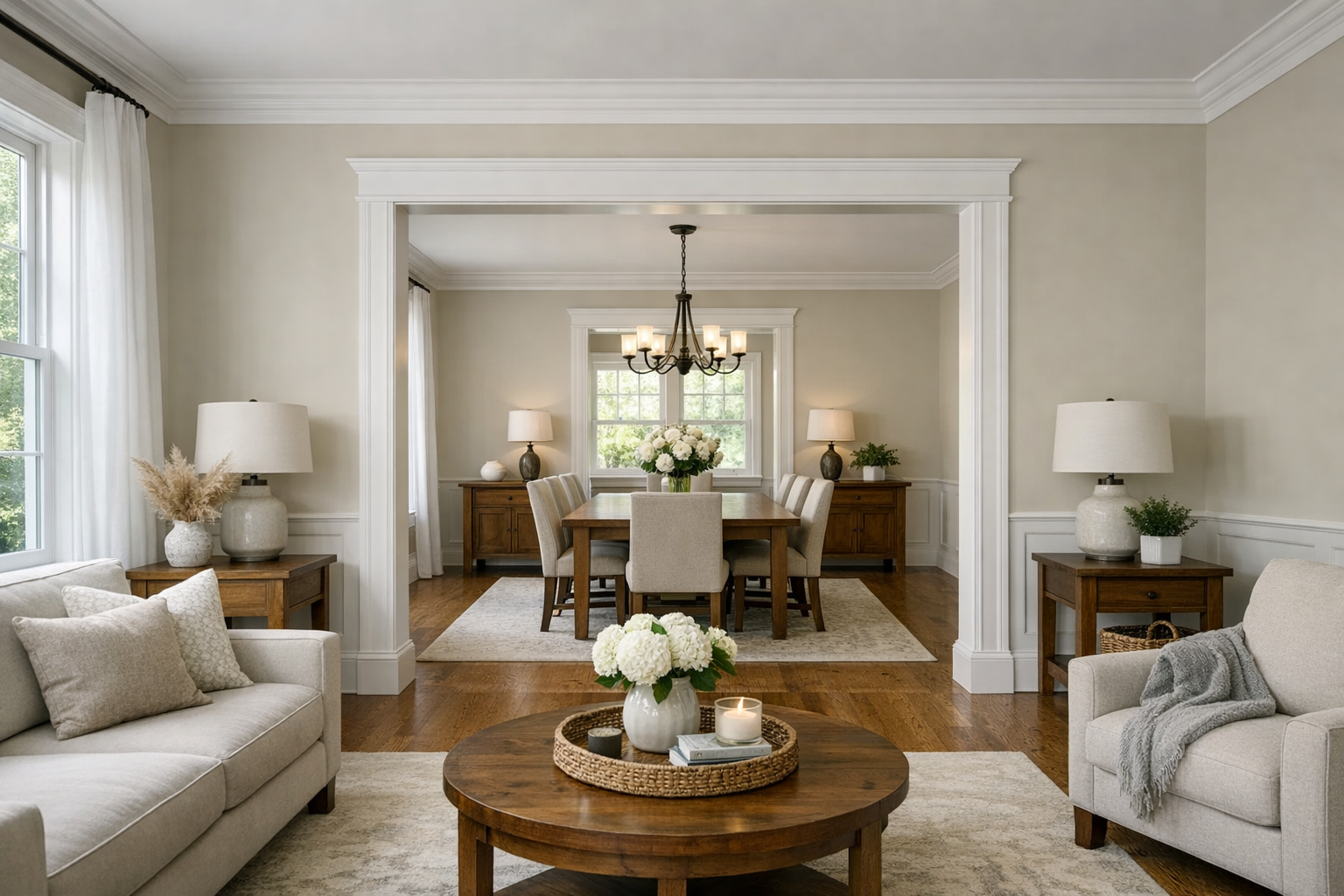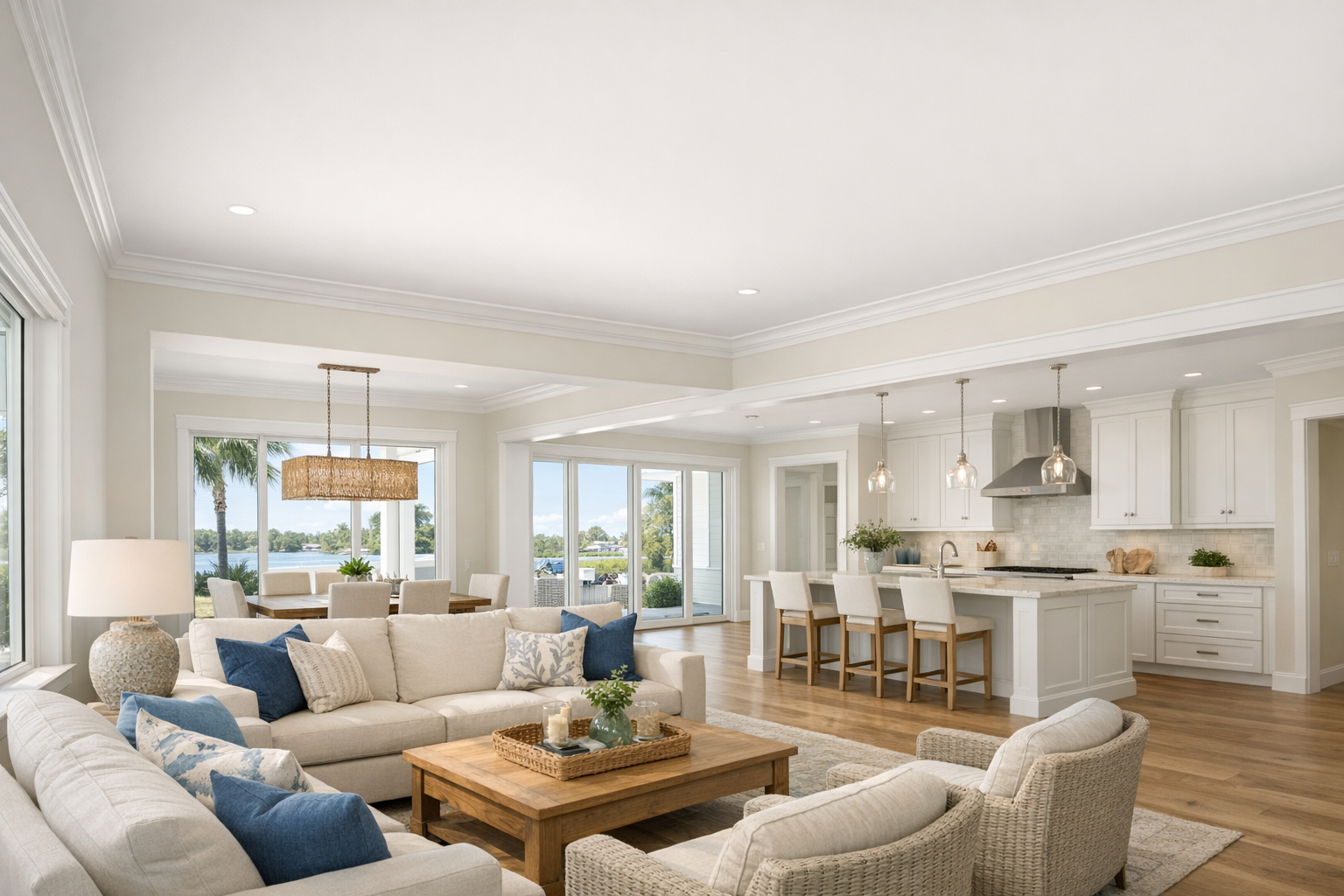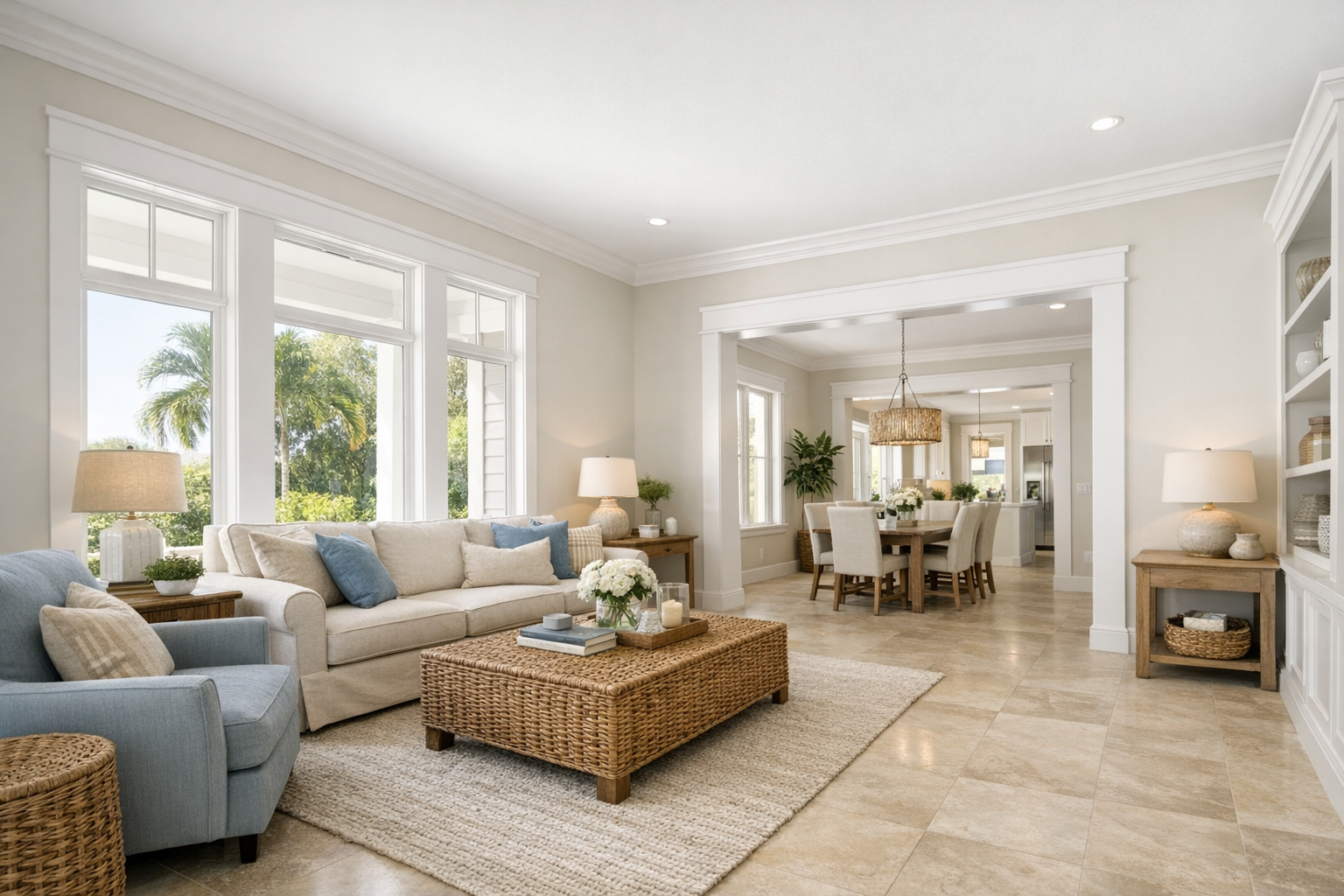
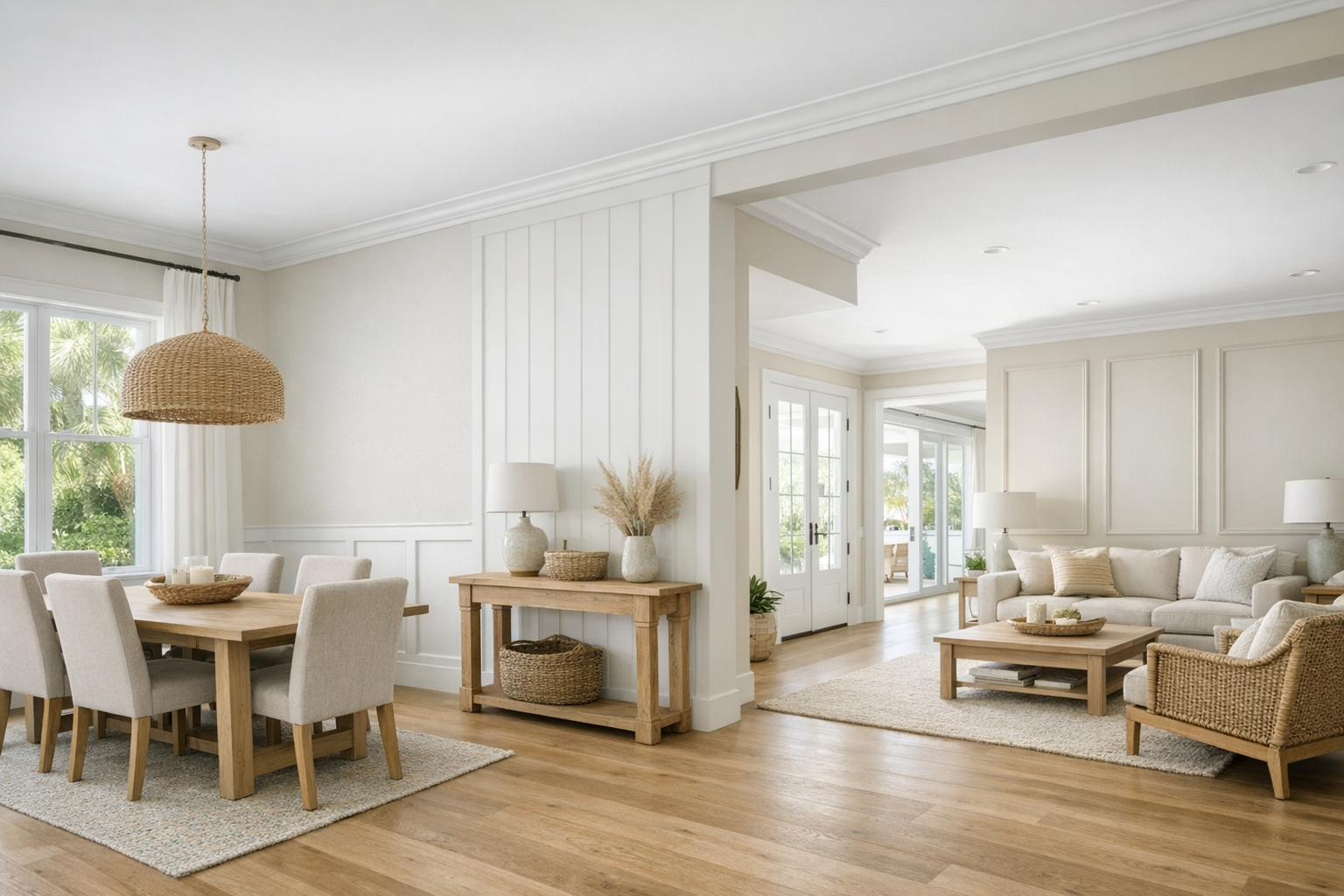

The right choice starts with a simple question: what do you want the room to do differently? Wainscoting is lower-wall paneling that gives a room a more anchored, traditional feel while adding practical protection where chairs, bags, kids, and everyday traffic hit the wall. Board and batten creates a stronger pattern with raised boards or battens, so it tends to feel taller, bolder, and more textured. Picture frame moulding uses applied trim to form rectangles on the wall, which makes it more about proportion, rhythm, and decorative wall moulding than physical coverage.
That is why these three options should not be treated as interchangeable decorative wall trim. A dining room or entryway may need structure and lower-wall durability, which points toward wainscoting. A bedroom, stair wall, or relaxed coastal space may benefit from the height and casual character of board and batten. A living room, formal dining area, or hallway that already has good proportions may only need the polished symmetry of picture frame moulding.
This comparison will look at each wall treatment by the same decision points: visual impact, best rooms, style fit, accent-wall potential, durability, and maintenance. The goal is not to walk you through an installation tutorial; it is to help you choose the wall treatment that fits the room's purpose, the amount of wear it gets, and the look you actually want to live with.
Wainscoting vs Board and Batten vs Picture Frame Moulding at a Glance
A fast way to sort the three is to look at how much wall they visually occupy. Some treatments feel built into the room, some create a strong vertical pattern, and some act more like decorative wall moulding laid over the existing wall surface.
| Wall treatment | Visual structure | Typical height | Formality and durability | Best use |
|---|---|---|---|---|
Wainscoting |
Looks like lower-wall paneling, so the room feels grounded, traditional, and more architecturally structured. |
Usually reads as a lower-wall treatment rather than a full-wall pattern. |
The strongest choice when the lower wall needs protection in busy areas; it also leans more classic and formal. |
Best for dining rooms, entryways, and hallways, especially when it wraps the room instead of appearing on only one small wall. |
Board and batten walls |
Creates a bolder raised-board pattern, so the wall has more texture and shadow than a flat applied trim layout. |
Works well where height is part of the design goal, such as bedrooms or stair walls. |
Durable and relaxed in feel, though its battens and ledges can create more dust-collecting edges. |
A strong fit for bedrooms, stair walls, and relaxed or coastal interiors; it can carry an accent wall better than the other two when you want visible texture. |
Picture frame moulding |
Uses applied trim to form rectangles, so the effect depends on spacing, symmetry, and proportion more than physical bulk. |
Covers less of the wall visually than heavier paneling, even when the framed rectangles extend across a large wall surface. |
The most polished and decorative of the three, but the least protective against impact. |
Best for rooms where a refined, symmetrical, formal look matters more than wall protection. |
The practical takeaway: choose the first option when scuffs and chair contact are part of daily life, the second when the wall needs height and texture, and the third when the room already works functionally but needs a more tailored finish.
Choose Wainscoting for Classic Structure, Wall Protection, and High-Traffic Rooms
The place wainscoting earns its keep is the bottom half of the wall. Because it is a trimmed, paneled lower-wall treatment, it gives the room a defined architectural base instead of leaving the wall as one uninterrupted painted surface. That base is why it feels especially at home in dining rooms, foyers, hallways, stairways, powder rooms, and formal living spaces.
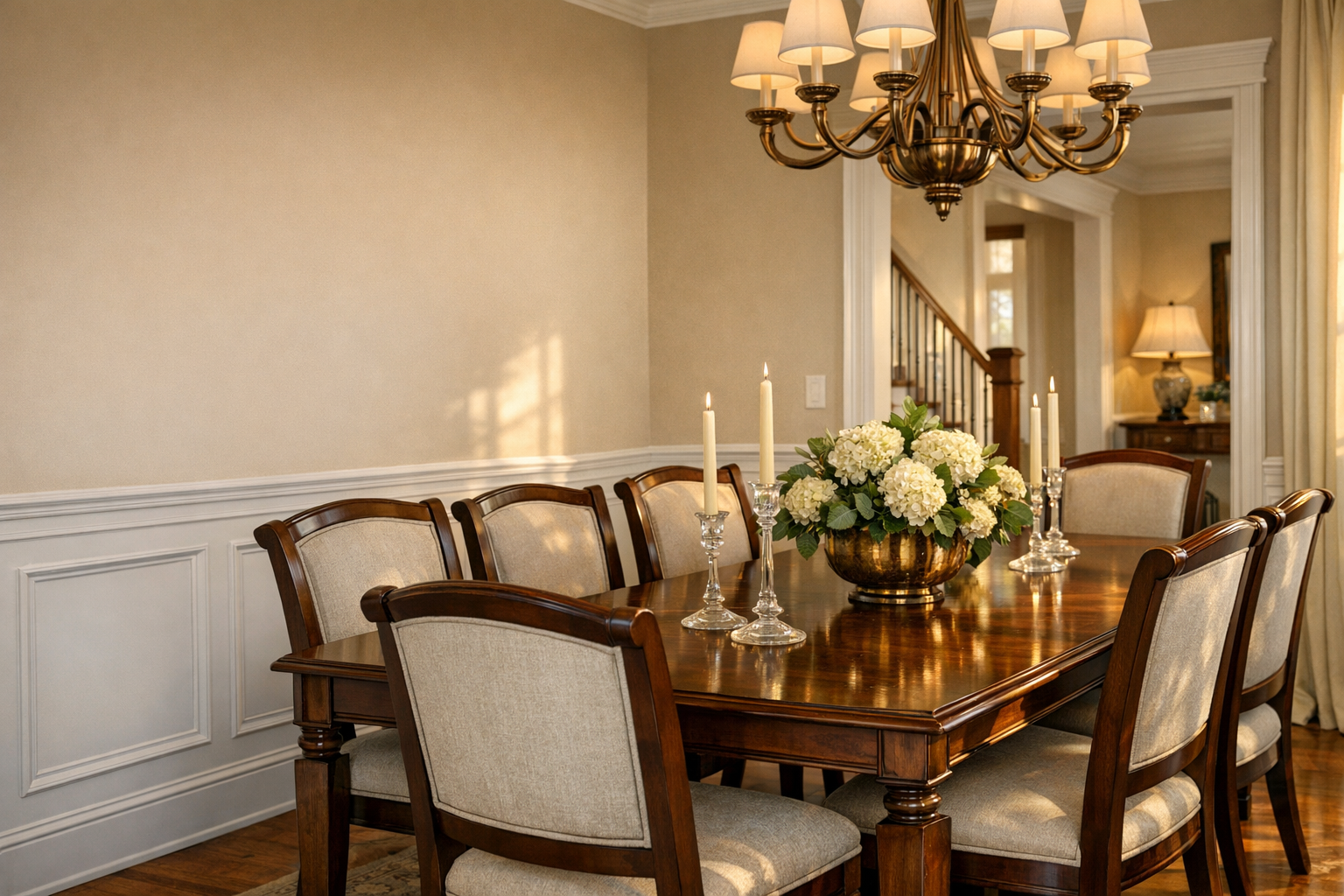
The style can shift quite a bit depending on the panel profile. A raised panel version feels the most traditional and formal because the panel itself has more depth and shadow. A recessed panel layout is cleaner and a little quieter, so it works well when you want structure without making the wall feel ornate. Beadboard-inspired wainscoting uses narrow vertical lines for a lighter cottage or coastal feel, while a half-wall application with a chair rail creates a clear stopping point between the protected lower wall and the painted or papered wall above.
Choose wainscoting when the wall is likely to get touched, bumped, or brushed often. Dining chairs, backpacks, purses, pet traffic, shoes in an entry, and hands along a stairway all tend to hit the lower portion of the wall first. Wainscoting does not make a room indestructible, but it puts a more durable, intentional surface where everyday contact usually happens.
Compared with board and batten, wainscoting usually feels more classic and composed rather than tall, bold, and casual. Compared with picture frame moulding, it has more physical presence and more practical lower-wall coverage. That makes it the stronger choice when decorative wall moulding needs to do more than create a pretty outline.
For wainscoting Sarasota County homeowners may want to be selective about scale: it can make an entry or dining room feel polished, but a tall or heavy lower wall can make a small room feel more traditional than intended. A good signal is whether the room benefits from a chair rail line and a grounded base; a weaker signal is a tight space where you want the walls to feel taller, simpler, and visually open.
Choose Board and Batten for Height, Texture, and a Bolder Casual Statement
If wainscoting gives a wall a base, board and batten gives it a beat. The defining feature is the repeated batten layout: narrow raised strips that create stronger shadow lines and a more noticeable rhythm than flat picture frame moulding. In a simple vertical layout, the eye tends to travel upward, so board and batten walls are especially useful when you want a bedroom, entry, stair wall, or living room accent wall to feel taller and more energetic.
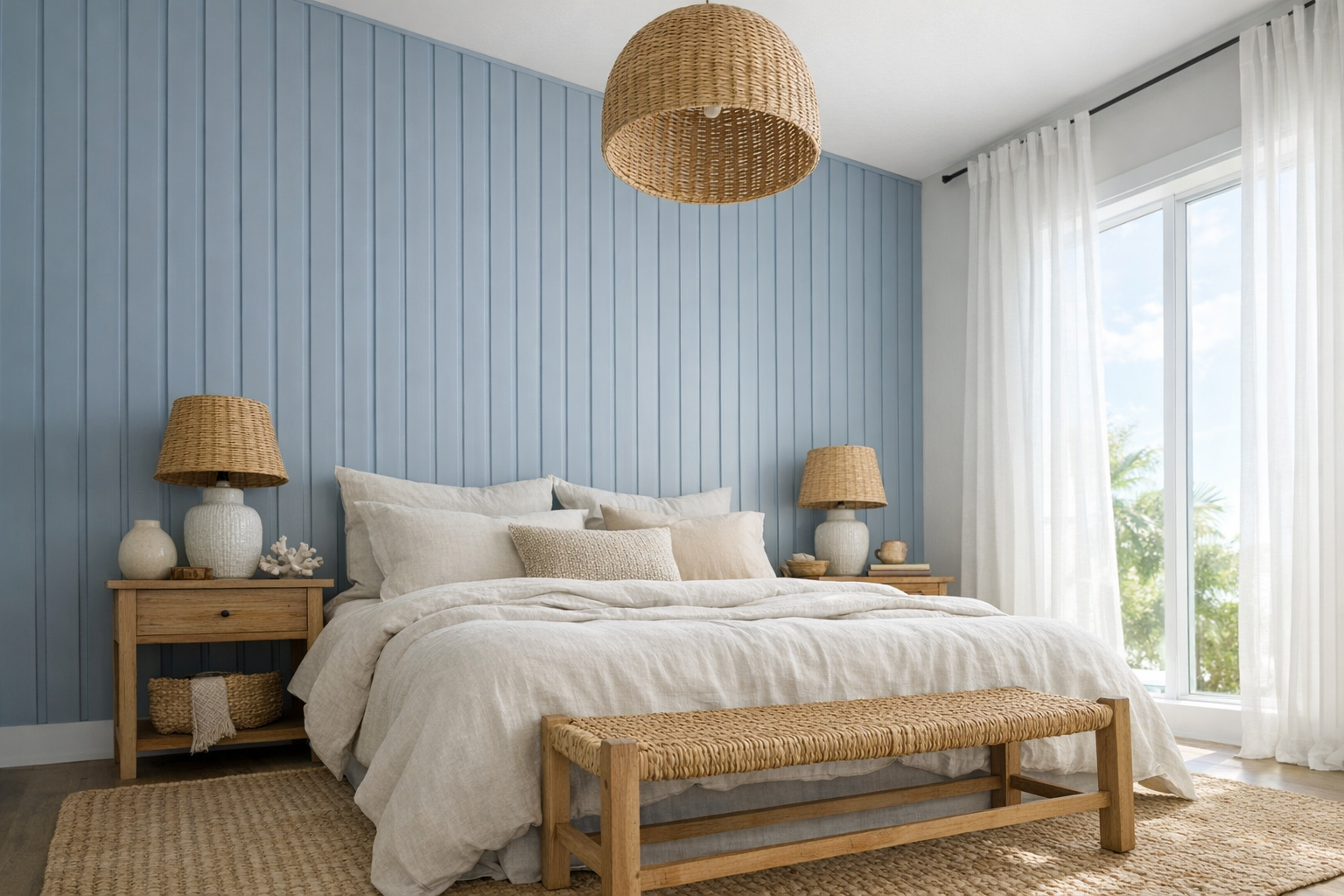
The layout can be quiet or bold depending on how much of the wall it covers. A partial-wall version keeps some of the grounded feeling homeowners like in wainscoting, but the vertical battens make it feel more casual and architectural. A full-wall version is more dramatic and works well behind a bed, along a stair wall, or on a family room focal wall. A grid pattern adds horizontal rails to the vertical strips, which makes the treatment feel chunkier and more graphic than picture frame moulding, which usually covers less of the wall and reads as more elegant than substantial.
Choose board and batten when the room can handle a little texture and personality. It is a strong fit for bedrooms, mudrooms, entryways, nurseries, family rooms, and relaxed accent walls, especially in coastal, cottage, modern farmhouse, transitional, and casual contemporary interiors. The good signal is a wall that feels too plain or too flat; the weaker signal is a very formal room where the batten pattern may compete with refined furniture, drapery, or traditional architectural details.
From a practical standpoint, board and batten can be durable, but it does not protect lower walls in quite the same targeted way as wainscoting. Its raised edges, seams, and ledges also create more places for dust to settle, so it rewards homeowners who like the bolder look enough to keep those lines wiped down.
Choose Picture Frame Moulding for Elegant Detail Without Heavy Wall Coverage
For a cleaner, more tailored surface, picture frame moulding is the lightest of the three choices. It uses applied moulding to create framed rectangles or panels directly on the wall, so the wall still feels mostly open rather than covered with boards, rails, or a heavy lower-wall assembly.
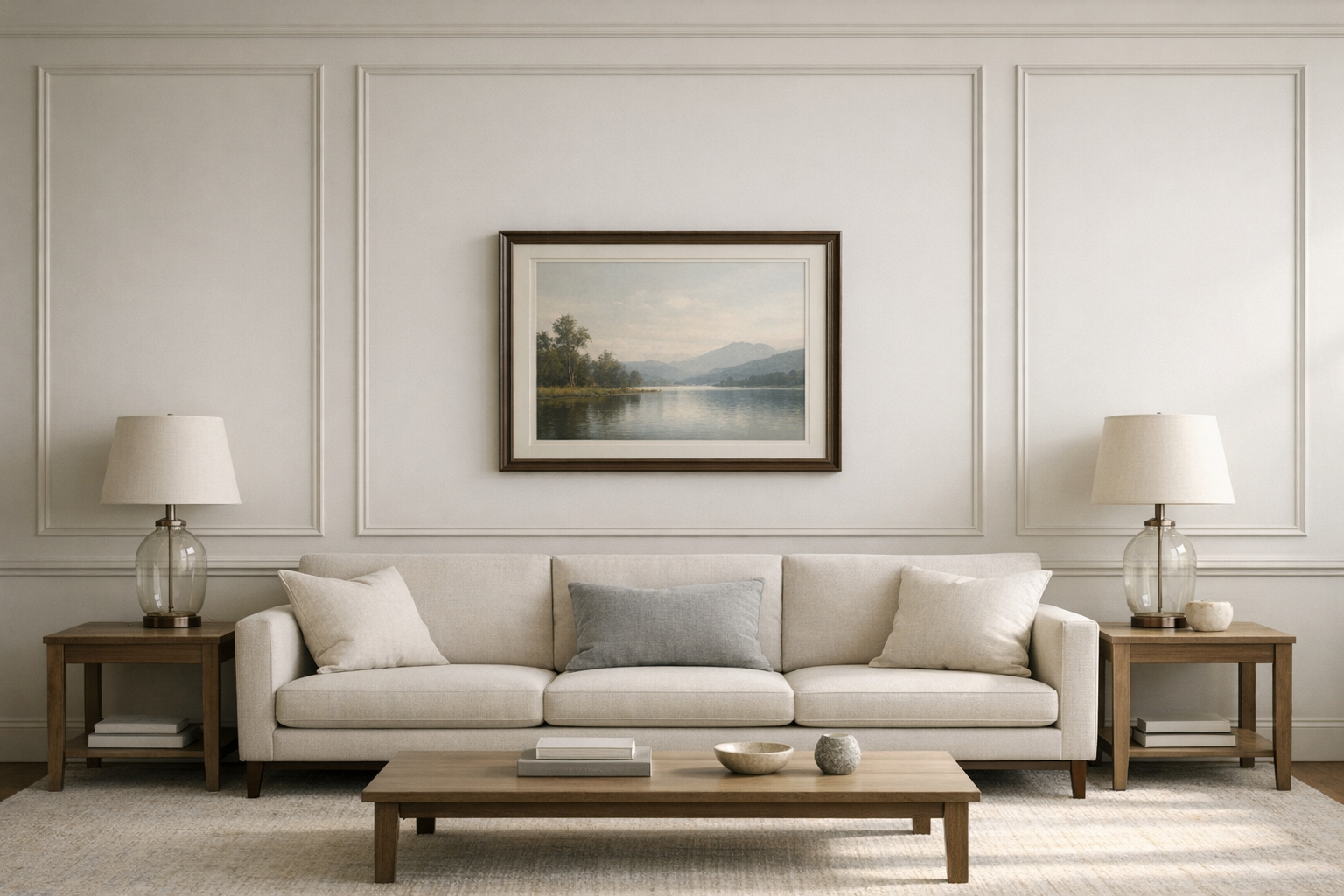
Its strength is proportion, not protection. The rectangles create rhythm through equal spacing, balanced panel sizes, and clean alignment with doors, windows, furniture, or stair angles. That makes this decorative wall moulding feel refined and intentional, but it will not shield a busy lower wall the way wainscoting can, and it does not create the same chunky texture as board and batten.
Use it where elegance matters more than toughness: dining rooms with a centered table and chandelier, formal living rooms with symmetrical furniture, primary bedrooms where you want a calm backdrop behind the bed, and stairways where repeated panels can follow the architecture without making the wall feel bulky. It also works well in formal spaces that already have good proportions but need a more finished edge.
The good signal is a room that feels plain but not physically underbuilt. If the wall needs scuff resistance, wainscoting is usually the stronger answer; if it needs height and texture, board and batten has more presence. If it needs symmetry, softness, and a polished wall moulding detail without heavy coverage, this is the more natural fit.
Best Wall Treatment by Room: Dining Rooms, Bedrooms, Entryways, Hallways, and Accent Walls
Room use is where the choice becomes easier, because each treatment solves a different kind of design problem: wainscoting handles traffic and tradition, board and batten adds stronger texture and height, and picture frame moulding gives a lighter, more formal layer of decorative wall moulding.
- Dining rooms: For a classic dining room wall treatment, wainscoting is usually the safest pick when chairs, serving traffic, or a more traditional mood matter. Picture frame moulding is better when the room already feels protected enough and you want refined panels around a table, chandelier, or buffet. Board and batten can work in a dining room too, but it leans more relaxed, which suits coastal, cottage, or casual entertaining spaces better than highly formal rooms.
- Bedrooms: Board and batten is often the strongest choice behind a bed because the vertical or grid pattern can act like built-in accent wall trim without needing a separate headboard feature. Picture frame moulding feels softer and more symmetrical, especially in a primary bedroom with matching nightstands or centered artwork. Wainscoting fits when the bedroom is meant to feel like a traditional suite rather than a bold feature wall.
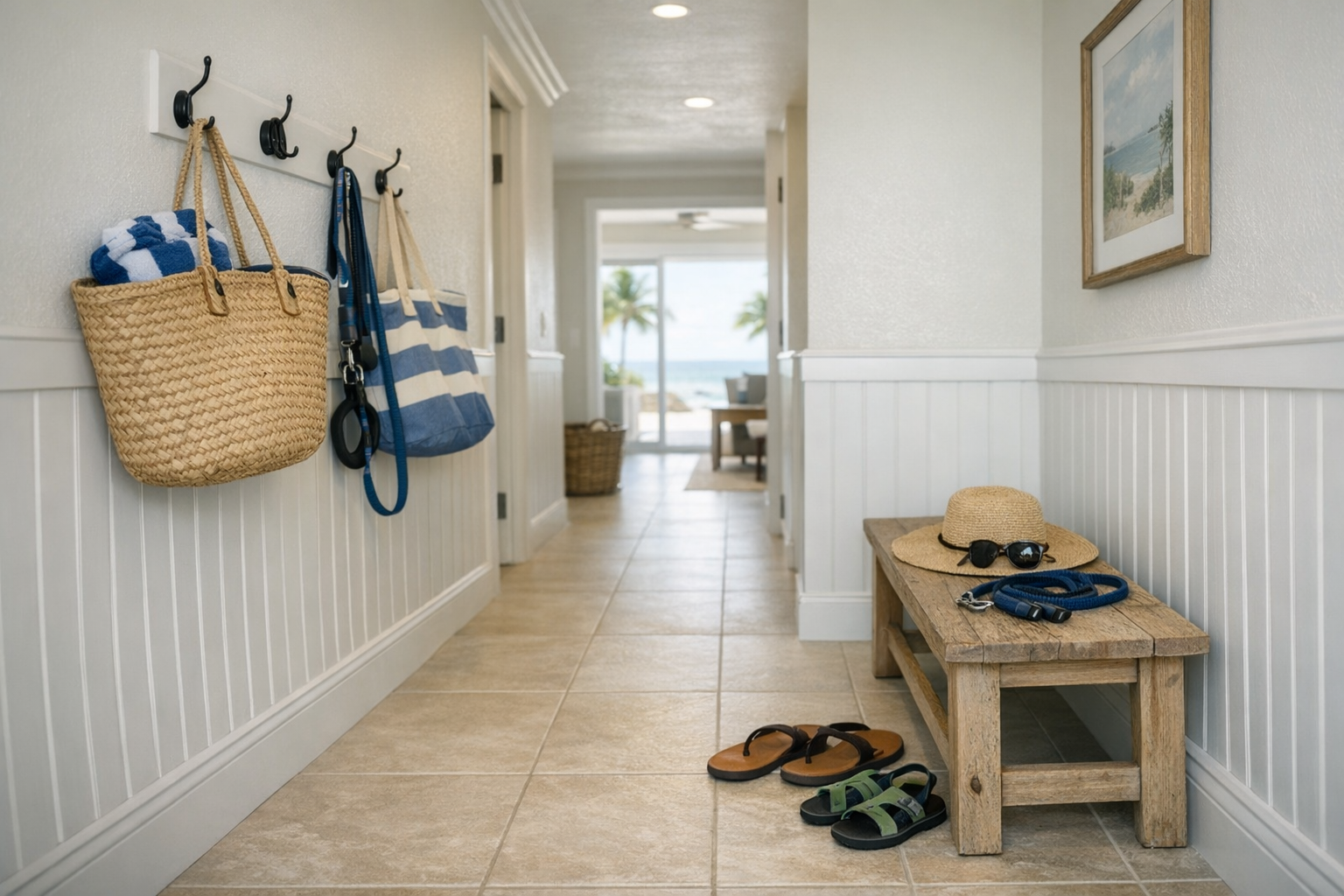
- Entryways and hallways: Wainscoting is the practical front-runner for entryway wall trim when bags, shoes, hands, and daily traffic hit the lower wall. Board and batten is a good alternative when a narrow hall or stair wall needs vertical movement and more personality. Picture frame moulding works best here when the goal is a polished first impression and the walls are not taking heavy abuse.
- Living rooms: Board and batten gives a living room accent wall the most visible texture, so it is a strong fit behind a sofa, media wall, or fireplace wall that needs presence. Picture frame moulding is better when the room calls for upscale subtlety, balanced panel shapes, and less visual weight. Wainscoting is usually more of a whole-room or lower-wall choice than a dramatic single-wall feature.
- Accent walls: Choose board and batten when the accent wall trim should be noticeable from across the room. Choose picture frame moulding when the detail should feel tailored rather than chunky. Use wainscoting as an accent only when the lower-wall line supports the room's architecture instead of cutting the wall at an awkward height.
How Style, Ceiling Height, and Visual Impact Should Influence Your Choice
Scale is what keeps the same wall molding idea from feeling either elegant or overwhelming. Wainscoting suits traditional interiors because it creates a strong lower-wall anchor; raising the panel height or using a heavier profile makes it feel more formal. Picture frame moulding feels refined and symmetrical, but it depends heavily on even spacing and balanced panel sizes. Board and batten has the strongest casual presence of the three, especially in relaxed or coastal interiors where texture is welcome.
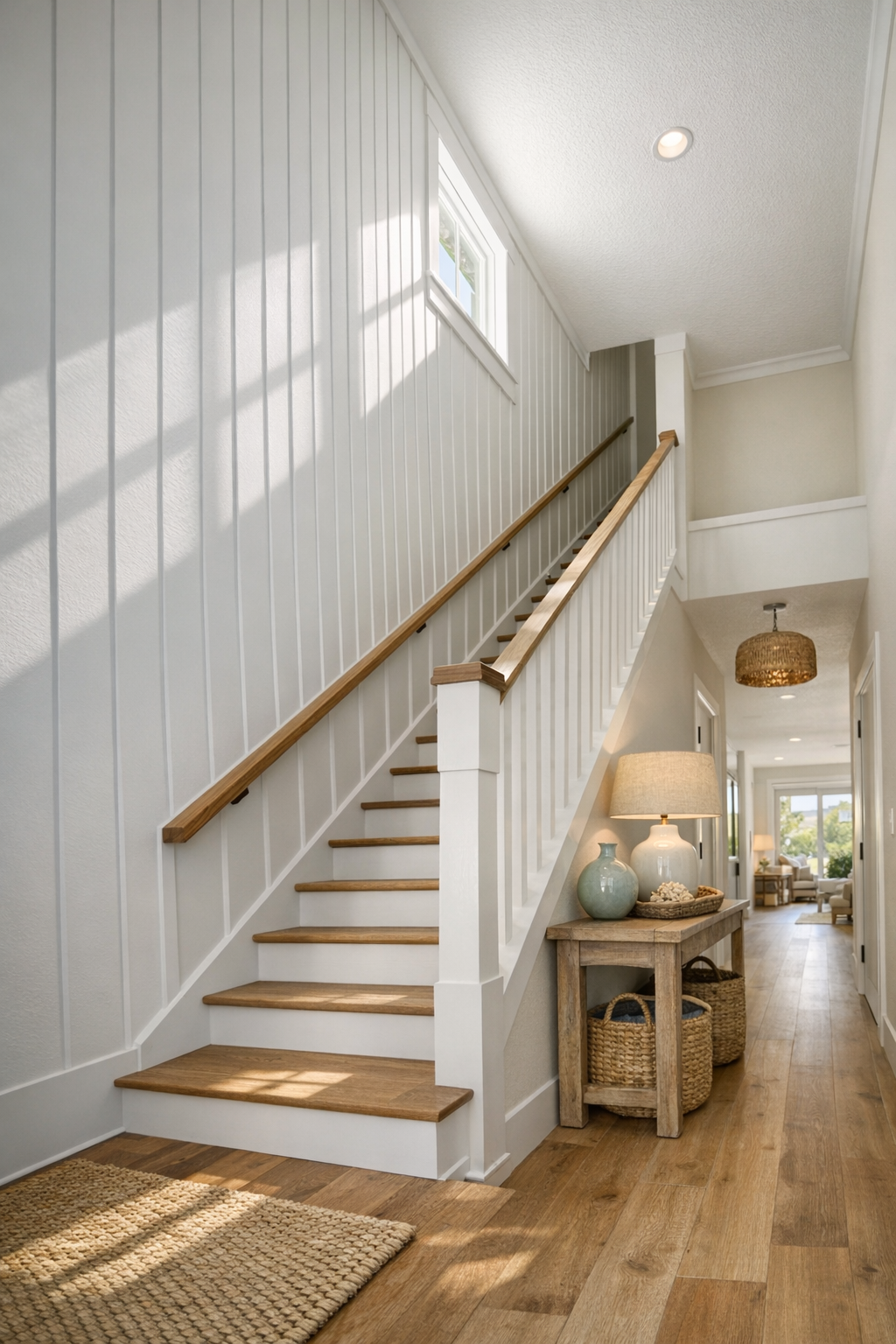
- For classic or traditional rooms: wainscoting is the most natural fit when you want the wall to feel architectural and grounded. A lower height reads calmer; a taller treatment with deeper panels reads more formal and can make a dining room or foyer feel dressier.
- For coastal or modern farmhouse rooms: board and batten usually gives the right amount of relaxed character. Wider spacing feels cleaner and calmer, while tighter spacing or a full-wall grid creates a busier, more feature-wall look.
- For transitional or contemporary rooms: picture frame moulding is often the best bridge because it adds decorative wall moulding without covering the wall with heavy boards. Keep the rectangles generous and aligned with furniture, windows, or artwork so the detail feels intentional rather than fussy.
Ceiling height and wall length matter because they change how much pattern the eye has to process. Short walls usually need fewer, wider divisions. Long walls can handle repeated panels, but the spacing should stay consistent so the treatment looks measured instead of chopped up. Paint contrast is the final volume control: tone-on-tone color keeps wainscoting, board and batten, or picture frame moulding subtle, while high contrast makes every rail, batten, and frame line stand out.
Durability, Maintenance, and Practical Considerations for Sarasota County and Venice FL Homes
Daily use changes the decision more than most sample photos do. In Sarasota County and Venice FL homes, especially coastal interiors with kids, pets, beach bags, dining chairs, and sliding furniture, the practical question is how much contact the wall treatment is expected to absorb and how many small edges it adds to clean.
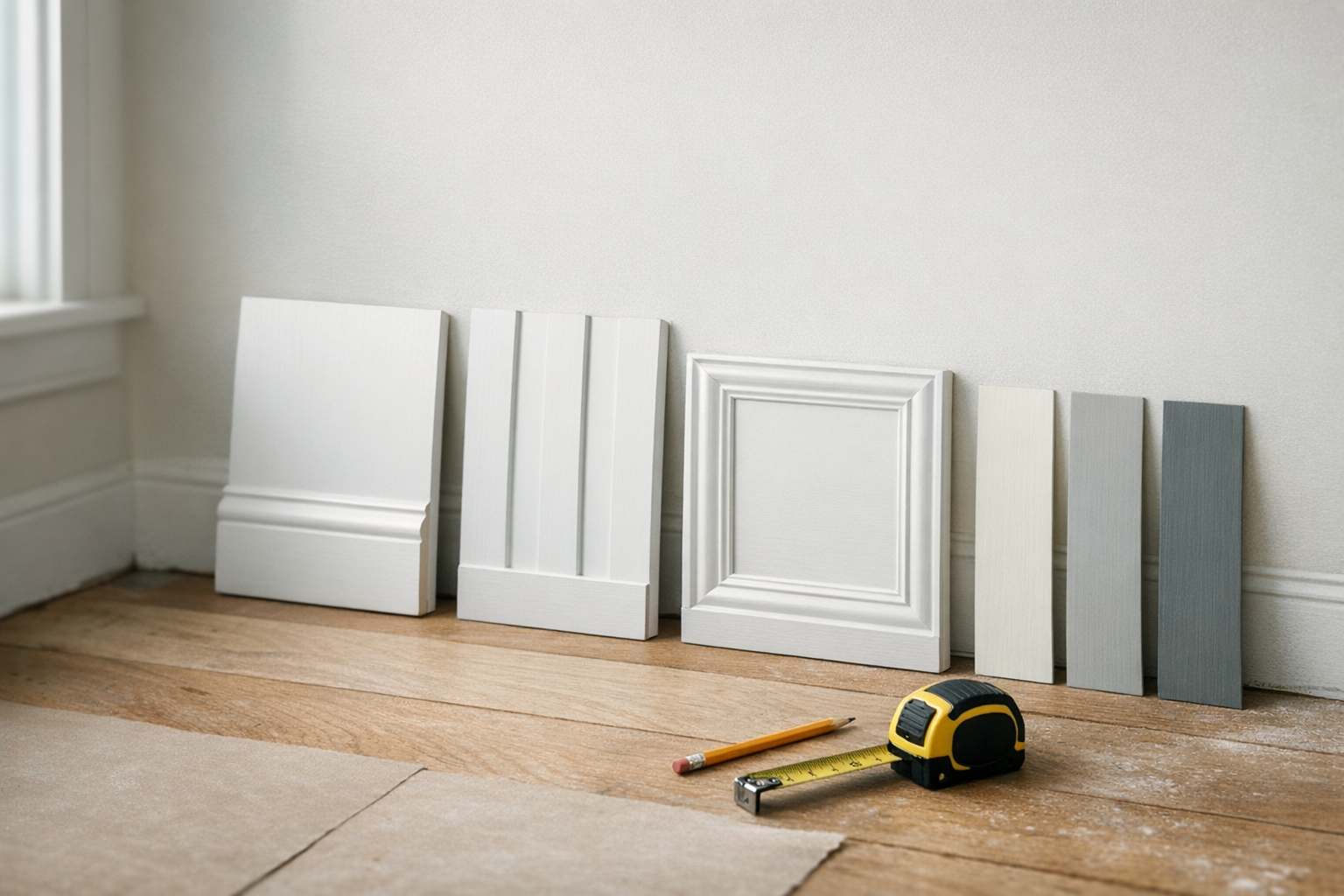
- Wainscoting: this is the strongest choice for lower-wall protection because the treatment sits where shoes, chair backs, backpacks, pet tails, and hallway traffic usually hit. It is the best fit when scuffs and furniture contact are predictable, such as entries, dining rooms, stair landings, and narrow halls. The tradeoff is that rails, panels, and caulk lines need a clean paint finish so marks can be wiped without making the wall look patchy.
- Board and batten: this option is durable and works well when you want texture in bedrooms, stair walls, or relaxed coastal spaces, but its battens and ledges can collect more dust depending on the layout. Wider spacing and fewer horizontal breaks are easier to live with; tight grids or many shelf-like rails create more surfaces to wipe.
- Picture frame moulding: this is the easiest visually and usually the simplest day to day because it covers less wall and adds lighter trim detail, but it offers the least protection against lower-wall impact. Use it where decorative wall moulding is mainly about polish, such as living rooms, primary bedrooms, or dining rooms where furniture is not constantly scraping the wall.
If you are comparing wall paneling in Venice FL for a busy household, lean tougher in the traffic zones and lighter in the calmer rooms. Wainscoting handles the roughest lower-wall contact, board and batten gives durability with more dusting points, and picture frame moulding keeps maintenance light but should not be treated as a bumper for chairs, pets, or kids' gear.
The Simple Decision Framework:
When two choices still feel close, rank the room by the job the wall treatment has to do first, then let style come second.
- If the wall needs to take abuse, choose wainscoting. It creates a tougher lower-wall zone, so it makes the most sense in dining rooms, entryways, hallways, stair landings, and other places where chairs, bags, shoes, and traffic hit the wall. The tradeoff is a more traditional, visually grounded room.
- If the room needs height and texture, choose board and batten. Its repeated battens add stronger shadow lines and a more casual rhythm, which works well on bedroom walls, stair walls, living room accent walls, and relaxed coastal interiors. The tradeoff is more visible pattern and more edges to dust.
- If the room needs polish without bulk, choose picture frame moulding. This decorative wall moulding is best when symmetry, proportion, and elegance matter more than impact resistance, such as in formal dining rooms, living rooms, and primary bedrooms. The tradeoff is that it refines the wall more than it protects it.
A simple final rule works for most homes: pick wainscoting for contact, board and batten for character, and picture frame moulding for refinement. If one wall treatment solves the room's main problem and the others only look nice, you have your answer.