

Shiplap vs. Tongue-and-Groove: Why the Difference Matters
If you're comparing shiplap walls vs tongue and groove walls, the first thing to know is that the names are not interchangeable. The boards can look similar once painted, but they are built differently: shiplap creates an overlapping edge, while tongue-and-groove uses a tighter interlocking edge. That one construction detail affects the seam you see, how precisely the boards need to be installed, and how forgiving the wall feels once it is finished.
Traditional shiplap uses rabbeted edges, meaning part of one board steps over the edge of the next. That overlap typically leaves a visible shadow line or reveal, which is why shiplap is often chosen when the goal is a casual feature wall, a coastal accent, or a crisp horizontal pattern. Tongue-and-groove boards fit together differently: one edge has a projecting tongue, and the other has a matching groove, creating a more locked-in connection and usually a tighter board-to-board appearance.
That difference matters most when you move from inspiration photos to real rooms. A living room accent wall, a ceiling treatment, a hallway with lots of trim, and a laundry room do not ask the same things from wall paneling. In Florida interiors, it is also smart to think beyond style and consider room conditions, finish choice, and material selection, because the joint style influences how gaps, shadows, and small movement changes show over time.
The Core Difference Is How the Boards Fit Together
Picture the edge of each board in profile, not just the face you see after painting. On traditional shiplap, a rabbet joint is a stepped cut along the board edge. One board's step laps over the step on the next board, so the boards overlap rather than lock together.
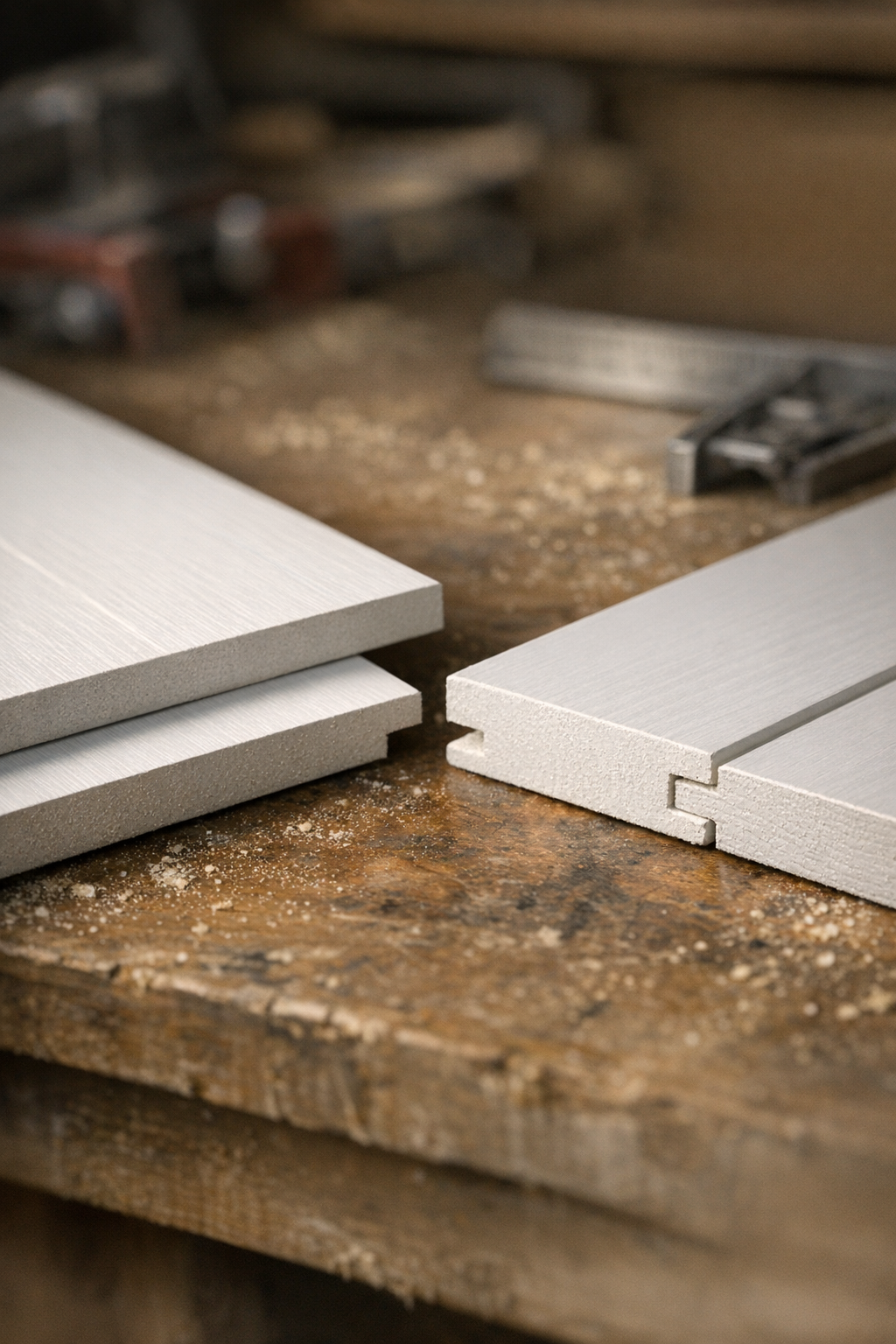
Tongue-and-groove is shaped more like a fitted connection. The tongue is the thin projecting ridge on one edge of the board, and the groove is the matching slot on the opposite edge. When installed, the tongue slides into the groove, creating interlocking boards with a tighter board-to-board fit than an overlap.
That is the practical difference between shiplap and tongue and groove: shiplap hides part of the joint with an overlap, while tongue-and-groove uses the joint itself to help line up the boards. With shiplap boards vs tongue and groove boards, the overlap can be a little more forgiving visually; the interlock tends to make alignment feel more exact, but it also leaves less room for sloppy layout.
The joint also changes the finished wall. Shiplap's rabbet joint usually creates a more noticeable reveal or shadow line because the boards sit over one another. Tongue-and-groove typically reads as a tighter, more continuous surface because the edges nest together. If boards shift slightly over time, the eye often notices that movement as a change in the seam: a reveal that looks uneven on shiplap, or a tight joint that no longer looks perfectly consistent on tongue-and-groove.
How They Look: Shadow Lines, Grooves, and Overall Style
The easiest way to choose the look is to pay attention to the line between boards. Shiplap usually gives you a wider, flatter reveal: a slim dark stripe or nickel gap that makes each board read as its own horizontal band. That visible spacing is why shiplap often feels casual, graphic, and intentionally paneled rather than seamless.
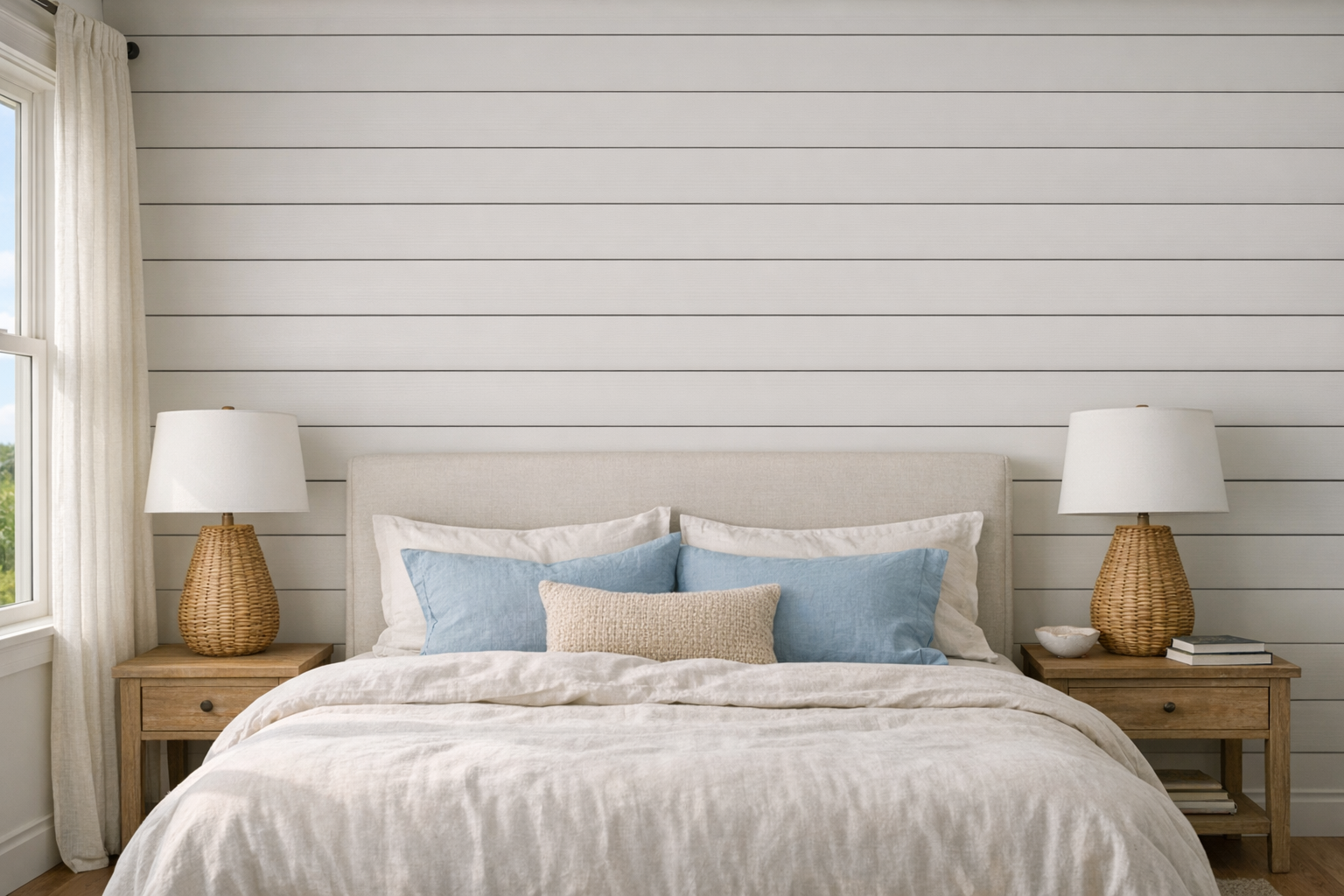
Tongue-and-groove can be much subtler, but the profile matters. A square-edge profile can make the wall look tighter and more continuous. A V-groove profile has angled board edges that meet to form a fine V-shaped line, so the seam is still visible but sharper and narrower than the broader shadow you usually notice with shiplap. Beaded tongue-and-groove adds a small rounded detail at the seam, which makes the wall feel more traditional or cottage-like.
That difference changes the style signal. Shiplap's flatter bands work well when you want a modern farmhouse, relaxed coastal, or simple contemporary feature wall because the pattern is easy to see even after paint. Tongue-and-groove is often better when you want a cleaner ceiling plane, a more traditional paneled room, or a cottage detail with finer lines instead of bold stripes.
So when comparing shiplap wall panels vs tongue and groove, do not judge only by the sample board. Step back and imagine the whole wall: wider shadow lines will make the surface feel more rhythmic, while tighter interlocked seams or a V-groove will read more refined and continuous.
Installation Differences: Forgiveness, Alignment, and Detail Work
Installation is where the seam choice starts to affect the work behind the finish. In a shiplap vs tongue and groove comparison, shiplap is usually the more forgiving layout because the overlapping edges and planned shadow line can disguise tiny variations from board to board. Tongue-and-groove asks for more precision: once one board is slightly out of level, bowed, or tight against an uneven surface, that error can carry into the next board because the edges fit together more closely.
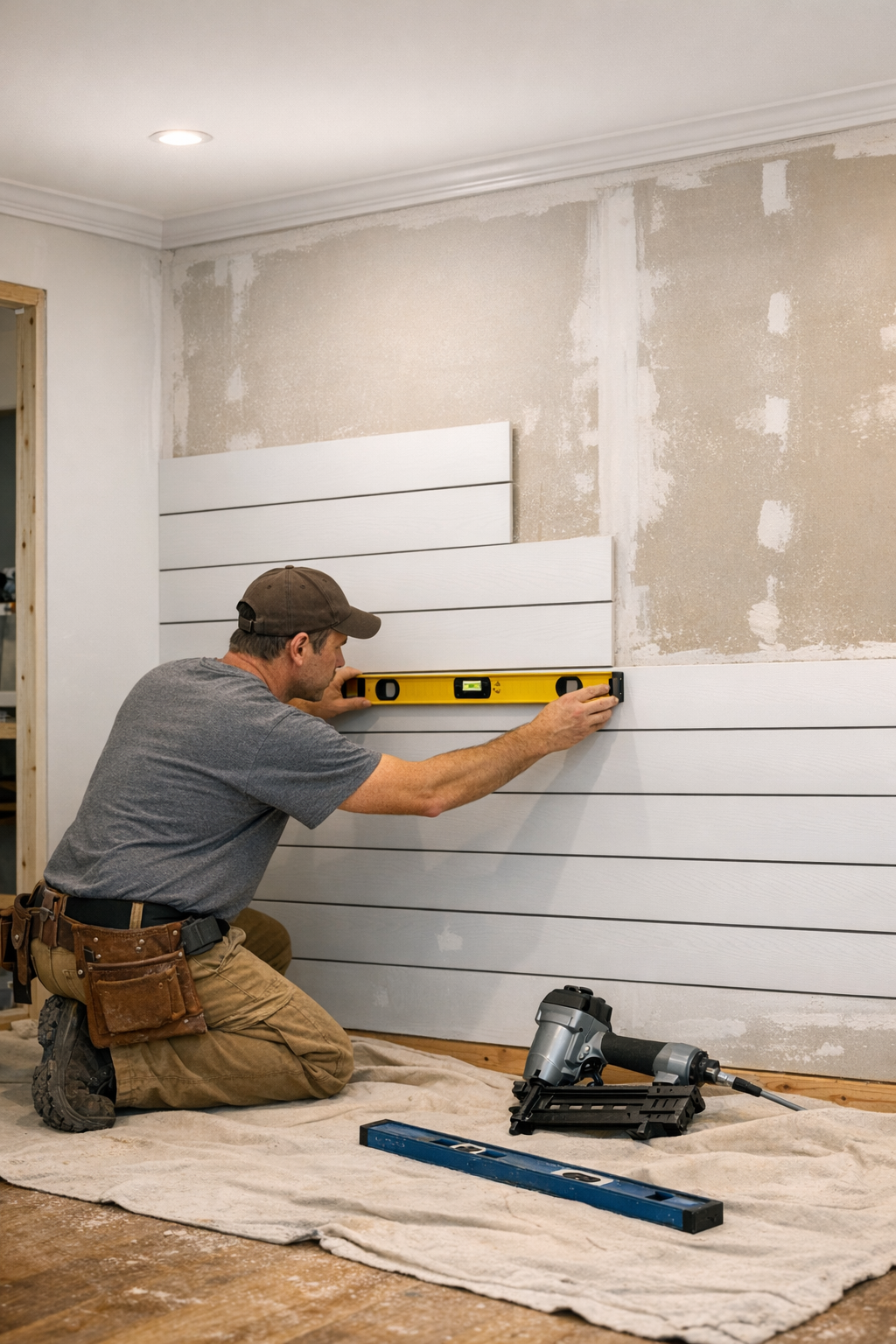
Wall preparation matters for both, but it shows up differently. Shiplap can tolerate a small amount of visual irregularity if the reveal still looks consistent. Tongue-and-groove tends to reward flatter walls, cleaner layout lines, and tighter control at the starting course because the interlocked fit is part of what creates the finished plane.
Fastener placement also changes the finished look. Shiplap is often face-nailed or fastened where the overlap helps hide part of the work, depending on the profile. Tongue-and-groove can allow more concealed fastening through the tongue area, but the boards have to seat properly for the next groove to slide over and keep the seam tight.
The detail work is where homeowners often underestimate the difference. Corners, baseboards, crown, outlets, window casings, and other interior wall trim all need clean transitions so the paneling does not look like it stops randomly. A single feature wall installation usually has fewer transition points, while wrapping an entire room means every inside corner, outside corner, doorway, and trim return has to line up visually.
Ceilings raise the precision bar even more because long lines are easy to notice overhead. Shiplap can still read well if the reveal is intentionally consistent, while tongue-and-groove can look beautifully continuous when aligned carefully, but less forgiving if the room is out of square or the first run drifts.
Durability and Moisture: What Changes in Florida Homes
In a Florida bathroom, laundry room, or entry, the seam you notice six months later can matter more than the board you liked on sample day. Shiplap leaves a more visible reveal, so small seasonal changes can show up as uneven shadow lines, while an interlocking tongue-and-groove profile creates a tighter fitted plane that can look cleaner but may feel less forgiving if boards swell and press against each other.
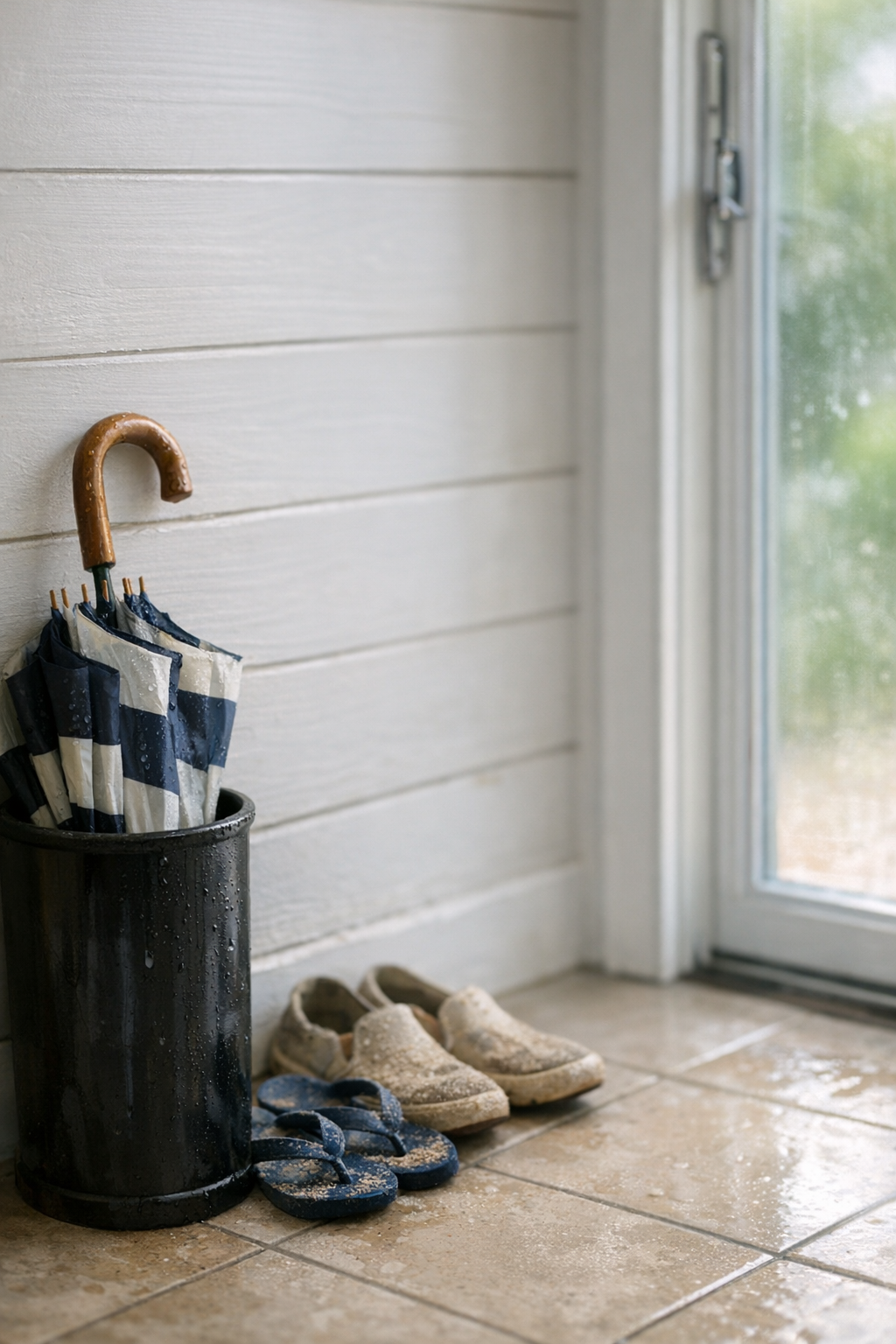
Natural wood is the most movement-prone option because it responds to moisture in the air. In an air-conditioned Florida interior, that does not mean the room is moisture-free; indoor humidity can still rise and fall with weather, HVAC use, open doors, storm season, and how often the room is ventilated. The practical takeaway is simple: boards should acclimate in the home before installation, and the design should allow for small movement instead of assuming every seam will stay frozen in place.
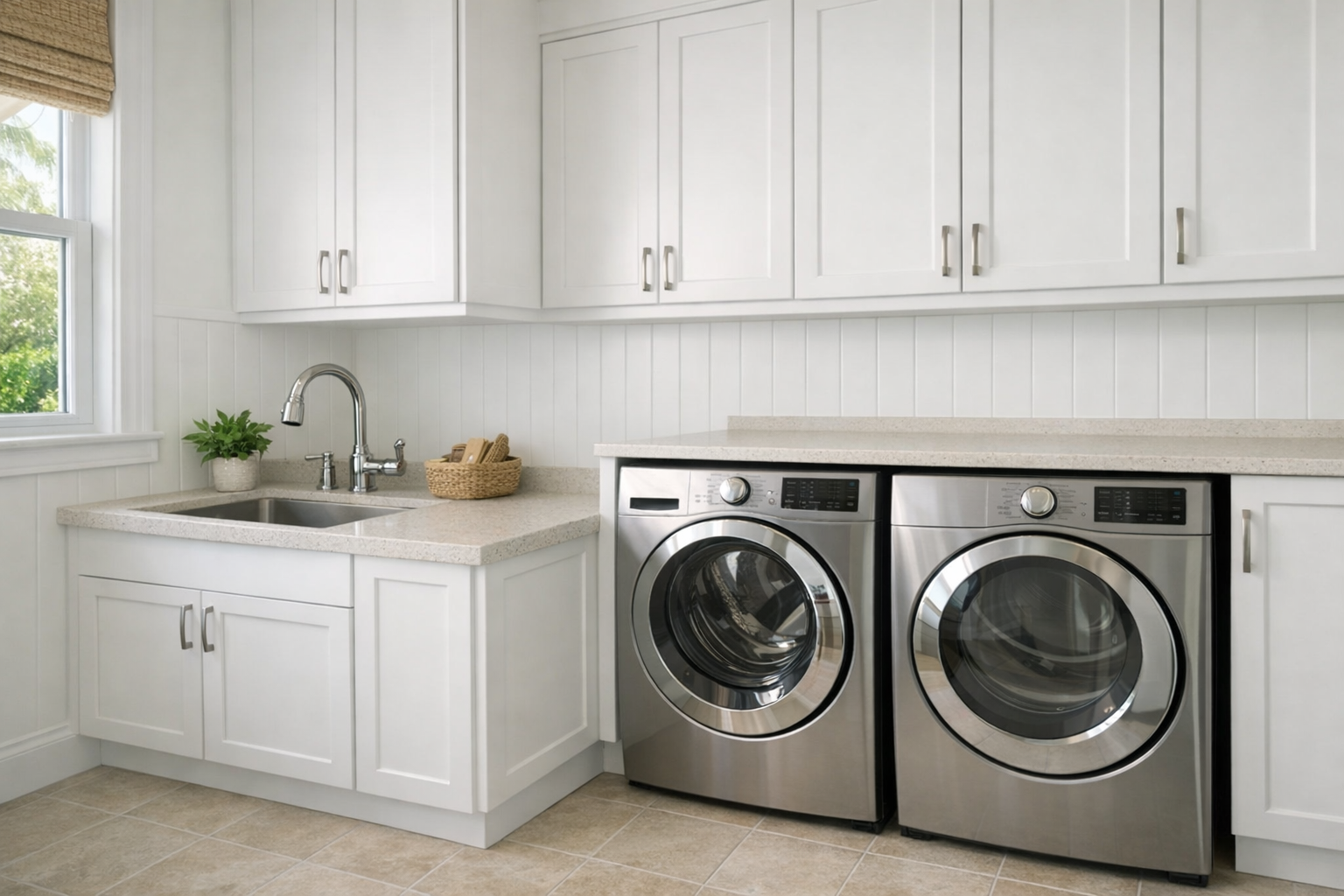
Room choice changes the risk level. A painted accent wall in a bedroom or living room is usually a lower-moisture application than a bathroom, laundry room, mudroom-style entry, or wall near exterior doors. In those wetter or more variable areas, material selection matters as much as whether you choose shiplap walls or a tighter interlocking profile. Primed pine can work well in many conditioned interiors when sealed properly, MDF is best kept to dry areas unless it is specifically made for moisture exposure, and PVC or other moisture-resistant trim products are often the better direction where splashes, damp air, or frequent cleaning are expected.
Finishing is part of durability, not just looks. Primer and paint help slow moisture exchange, especially when exposed cuts, end grain, and backside edges are sealed before or during installation. Good ventilation also helps because trapped damp air behind or around paneling can shorten the life of the finish and make movement more noticeable. For coastal homes, entries, laundry spaces, and baths, a good installation is the combination of the right profile, the right substrate, sealed edges, and moisture-resistant trim where the room calls for it.
Finish Options: Painted, Stained, Smooth, or Textured
The finish you choose can either sharpen the seams or soften them. Paint tends to make shiplap feel more graphic because the face of each board stays flat while the reveal remains a crisp shadow line. That is why shiplap is so often used as painted wall paneling: the color unifies the boards, but the overlap still gives the wall its rhythm.
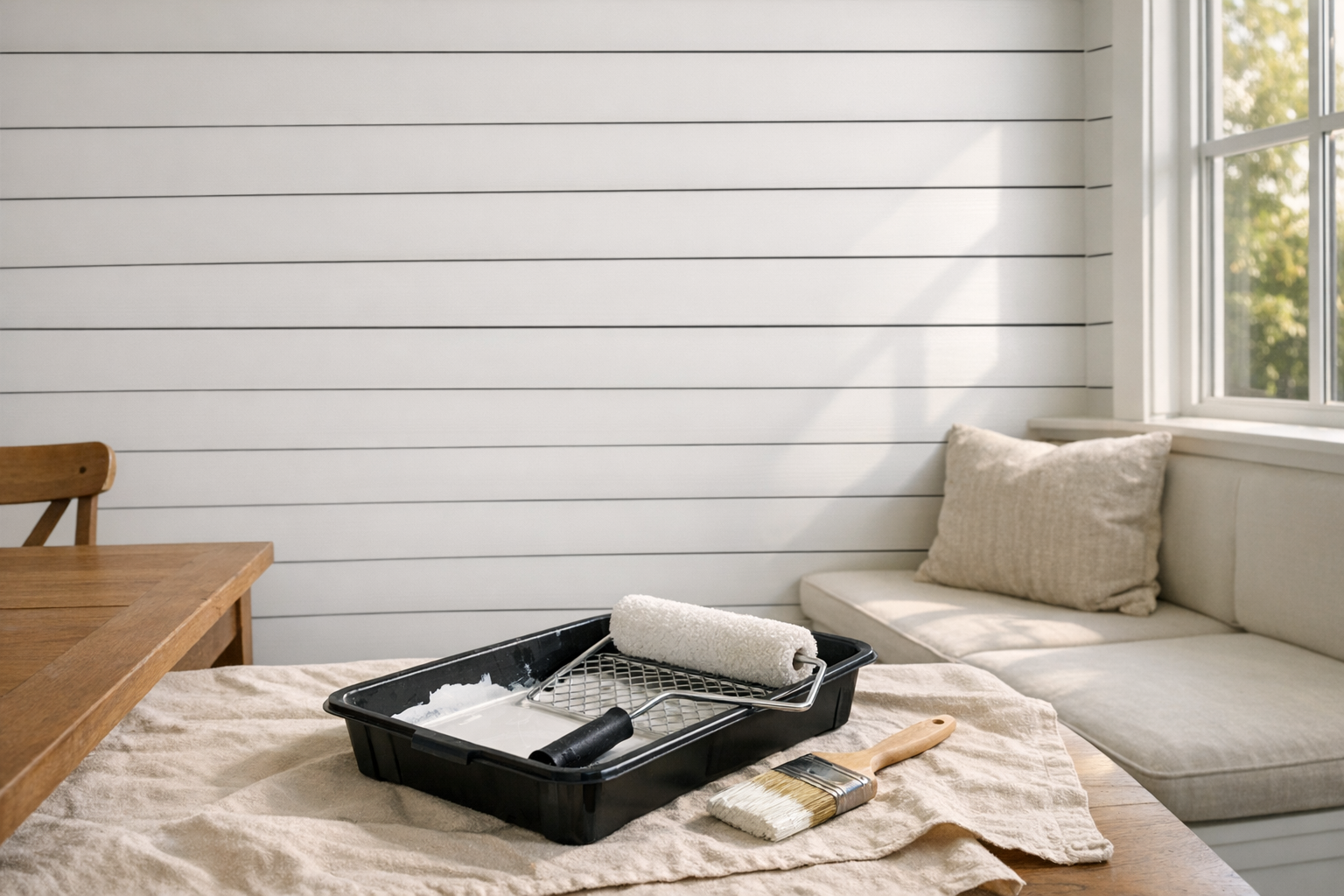
Tongue-and-groove gives you more flexibility if you are deciding between painted and stained wood walls. Painted tongue-and-groove can look cleaner and more continuous because the boards fit tightly together, while stained boards show the grain, knots, and natural color shifts from one piece to the next. On ceilings or traditional interiors, that variation can be the whole point; on a large wall, it can feel busier than a painted finish.
Smooth MDF and factory-primed boards are best thought of as paint-first choices. They give decorative wall panels a flatter, more uniform face, which helps when you want a clean white, soft neutral, or bold accent color without wood grain showing through. Pine and other real wood boards are more versatile because they can be painted or stained, but stain will highlight board-to-board variation rather than hide it. PVC is also usually treated as a painted trim-style material, especially where easy cleaning matters more than a natural wood look.
Maintenance follows the seam profile. Wider shiplap reveals can collect more dust, so dark gaps may need occasional detailing with a brush or vacuum attachment. Painted seams are also where touch-ups show first: caulk lines, nail fills, and slight movement can catch light differently from the original finish. Tongue-and-groove has narrower seams, but if the finish cracks along the joint, the line may look more like a fine split than an intentional shadow. In a shiplap walls vs tongue and groove walls decision, finish is not just color; it changes how the joints age visually.
Which One Should You Choose for Your Room?
For a single room, start with the line you want to notice every day. Shiplap is often the better fit when the reveal is part of the design: a casual living room accent, a bedroom feature wall installation, a coastal entry, or a farmhouse-style dining nook. Because traditional shiplap overlaps at rabbeted edges rather than locking together, it naturally creates a shadow line that feels intentional instead of hidden.
Tongue-and-groove is usually the stronger choice when you want the boards to feel more fitted and continuous. That makes it appealing for ceilings, stained wood treatments, traditional beadboard-like profiles, and trim-heavy rooms where the wall paneling needs to meet crown, casing, baseboards, or other interior wall trim cleanly. It is also the option to consider when you prefer an interlocked board system and are comfortable with a more precise installation.
For full rooms, the decision becomes more about mood and maintenance than a single "best" material. Shiplap can make a large space feel relaxed and rhythmic, but the visible reveals will be more noticeable across every wall. Tongue-and-groove can feel quieter and more tailored, but tight seams and long runs need careful layout so the finished room does not telegraph small alignment errors.
In bathrooms, laundry rooms, coastal homes, and other moisture-prone spots, neither profile is automatically the right answer. The board material, finish, ventilation, and exposure matter as much as the seam style. A dry powder room accent wall is a different decision from a steamy bathroom, wet laundry zone, or exterior-adjacent mudroom. In those spaces, choose moisture-appropriate materials rather than assuming wood-look paneling will perform the same everywhere.
So the practical tongue and groove vs shiplap choice comes down to four things: the seam you like, the finish you want, the room conditions, and how precise the installation needs to be. Choose shiplap when you want a visible reveal and a relaxed decorative surface. Choose tongue-and-groove when you want a tighter, more integrated look. If the room is damp or high-wear, let the material choice lead the decision before the profile does.